Instagram mass report bot: do they work, or just steal your login?
An Instagram mass report bot floods a profile with automated complaints, promising a ban. It almost never delivers one: Instagram removes content for genuine rule-breaks, not report volume, and Meta filters out the coordinated pattern these bots create. Worse, the free Telegram and GitHub versions usually demand your login and steal it.
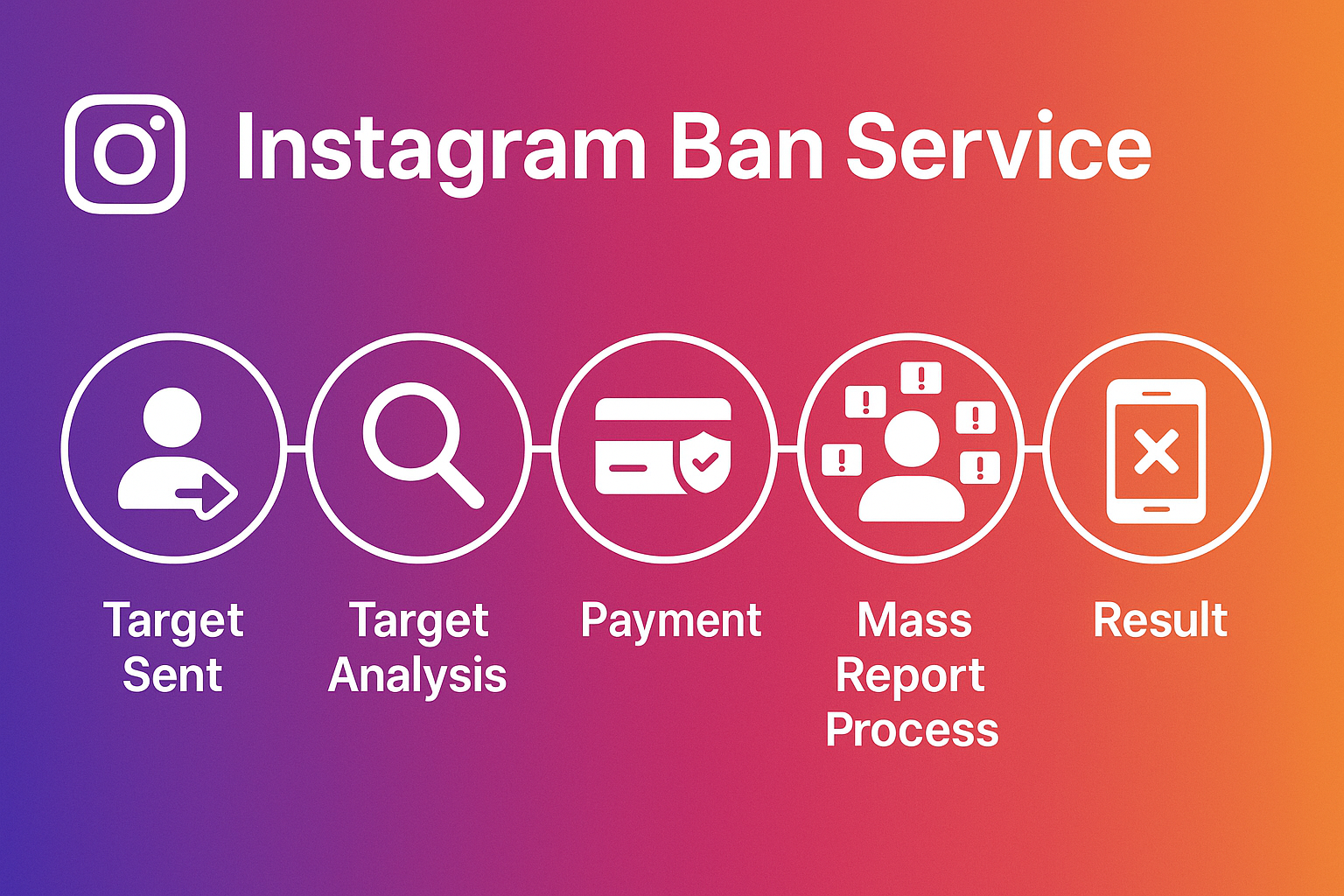
Type "instagram mass report bot" into a search box and the results read like a vending machine: a Telegram channel here, a GitHub repo there, a glossy web dashboard charging cents per report. Each sells the same daydream — that Instagram counts complaints like votes, so enough of them topple any account. That is not how the platform works, and the gap between the pitch and reality is where people lose their money, their evidence, and sometimes their own profile. This page walks through what these tools actually do, who really pays the price, and the route that does reach a human reviewer.
Do Instagram mass report bots work?
No, not in any reliable sense. Instagram is direct that the number of reports does not decide whether something is removed — a global review team takes content down only when it genuinely breaks the Community Guidelines, so a rule-abiding profile absorbs a thousand complaints as easily as one (Instagram Help Center). That answers the question buried inside every "how many reports to ban an account" search: there is no threshold to hit. A bot's deeper problem is the source of its reports. They all fire from throwaway profiles, and AlgorithmWatch found that Meta has "invested significantly in technology to detect accounts that engage in coordinated or automated reporting" (AlgorithmWatch). A cheerful "all reports sent" banner means the tool reached a server. On Meta's side, that exact signature is what gets discounted. The scale of that machinery dwarfs any bot: Meta actioned roughly 1.1 billion fake accounts on Facebook in Q4 2025 alone (Statista) and removed more than 134 million scam ads across its platforms in 2025 (PPC Land). Its enforcement, detailed in the Meta Community Standards Enforcement Report, runs on automated detection of inauthentic accounts — the exact disposable profiles a bot reports from.
What is an Instagram mass report Telegram bot, and how does it differ from a panel?
An Instagram mass report Telegram bot is a chat account you open in the messenger, paste a target link to, and it submits the same complaint repeatedly from accounts it controls. The difference between it and a website panel or a downloaded script is cosmetic, not technical. The table below ranks the five methods people compare most by their realistic success rate against a clean profile, the ban risk they create for you, and what they cost — note how efficacy tracks evidence quality, not automation:
| Method | Typical success rate | Ban risk to you | Cost |
|---|---|---|---|
| Manual in-app report | 10–20% (only with a real violation) | None | Free |
| GitHub / open-source script | Under 30%, falling | High — usually needs your login | Free |
| Telegram bot | 20–35% | High — data harvesting + coordination flags | Free to a few dollars |
| Online / SMM panel | 40–60% (inflated claims) | Medium — throwaway accounts get filtered | Cents per report |
| Managed evidence-based service | Evidence-led, not volume-led | None — official channels only | Case-based |
The pattern is consistent: the more a method leans on raw automated volume, the lower its real success rate and the higher the danger to the person who runs it. None of the free or paid bot formats sits closer to Meta's review queue than the report button already on your phone — they are doors into the same empty room. The one rebuttal worth answering is the polished panel pitch, "no login required, reports submitted externally," sold by sites like Naizop. It is true that not handing over your password avoids credential theft, which is a genuine difference from the GitHub scripts. But it fails for a separate reason: the "external" reports come from disposable profiles, and Meta's coordinated-reporting detection filters exactly that throwaway-account signature. You are not buying reviewer access; you are buying volume the system is built to ignore.
Is there a working Instagram mass report GitHub script?
Public projects exist; a working one is the harder claim. Search the code-hosting sites and you will find an Instagram mass report GitHub script in minutes — repos with names like Instagram-Report-Bot that have collected hundreds of stars. Stars measure curiosity, not results. Take a concrete, popular example: the widely-shared Khanejo/Instagram-mass-reporter repo carries about 757 stars and 276 forks, yet has only nine commits and sits unmaintained, and it literally requires an acc.txt file of Instagram usernames and passwords plus browser automation to run. That single repo proves the whole pattern. These scripts automate the same report endpoint everything else does, so they hit the same wall: Meta filters automated reporting, and the platform's Terms of Use forbid the unauthorized access the script relies on (Instagram Terms of Use). Two practical failures follow. First, Instagram changes its app constantly, and a scraper-style script breaks the moment an endpoint shifts, which is why most repos sit frozen. Second, running one usually means feeding it your credentials. So even a "live" project hands you brittle code that demands your password to do something the platform ignores.
Are Instagram mass report bots safe, or do they steal your login?
The tool is frequently more dangerous than the profile you point it at. A large share of these products, especially the free GitHub scripts and Telegram bots, only run if you surrender your Instagram username and password or a two-factor code. Instagram's own guidance is unambiguous: sharing your login with third-party apps puts your account at risk and is a familiar route to compromise (Instagram: Third-Party Apps; Instagram: account at risk). Once a stranger's code holds your session it can post, DM your followers, or lock you out. AlgorithmWatch traced the full con: attackers mass-report a target into suspension, then email Meta claiming the account is theirs to seize and resell it. A tool asking for your password is not the shortcut. It is the trap.
Could a report bot get your own account banned instead?
Yes, and that risk lands squarely on you. Automated access already breaches Instagram's Terms of Use, but the bigger problem is intent: weaponising the report system against an account you dislike is inauthentic behaviour, and Meta acts against the profiles driving coordinated false reports rather than the target. So a mass report bot run from or linked to your real account can flag you as the abuser, bringing a strike, a feature limit, or a disabled profile. There can be legal exposure too, because an organised harassment effort does not become lawful just because it runs through an app. Reporting in good faith stays anonymous and carries none of this. If you want the wider argument, we cover whether mass reporting an account ever changes the outcome and what actually gets a rule-breaking account banned. Put bluntly, the bot is far likelier to cost you your account than to remove anyone else's.
How many reports does it take to ban an Instagram account?
There is no number. This is the single most-searched question on the topic, and the honest answer disappoints every bot buyer: Instagram does not work on a report quota, so there is no count — not 50, not 5,000 — that tips a clean account into a ban. A reviewer acts on one documented violation; a profile that breaks no rule survives unlimited complaints. Meta goes further and actively discounts coordinated volume, treating a sudden flood of identical reports as a signal of abuse rather than evidence against the target. That is why a single, well-evidenced report of a genuine scam can succeed where ten thousand automated ones fail. The lever is the quality of one report, not the quantity of many. Anyone selling a "minimum reports to ban" package is selling a threshold that does not exist.
What if someone is mass-reporting your account?
The same rule that defeats bots also protects you. Instagram's review still requires a genuine policy breach, so a wave of false reports against a compliant account should not, by itself, get you removed — the system is designed to discount coordinated reporting. If an action does land wrongly, you can appeal it in-app, and under the EU Digital Services Act you are entitled to a statement of reasons and a route to contest a wrongful takedown. Keep your own evidence: screenshots of your compliant content and any messages showing an orchestrated campaign. Crucially, false coordinated reporting is itself actionable — Meta moves against the accounts driving it, not their target, so a harassment campaign can rebound onto its organisers. If your account has been disabled after a brigading attempt, send us the details on the contact page and we will help you frame the appeal.
What removes a rule-breaking account instead of a bot?
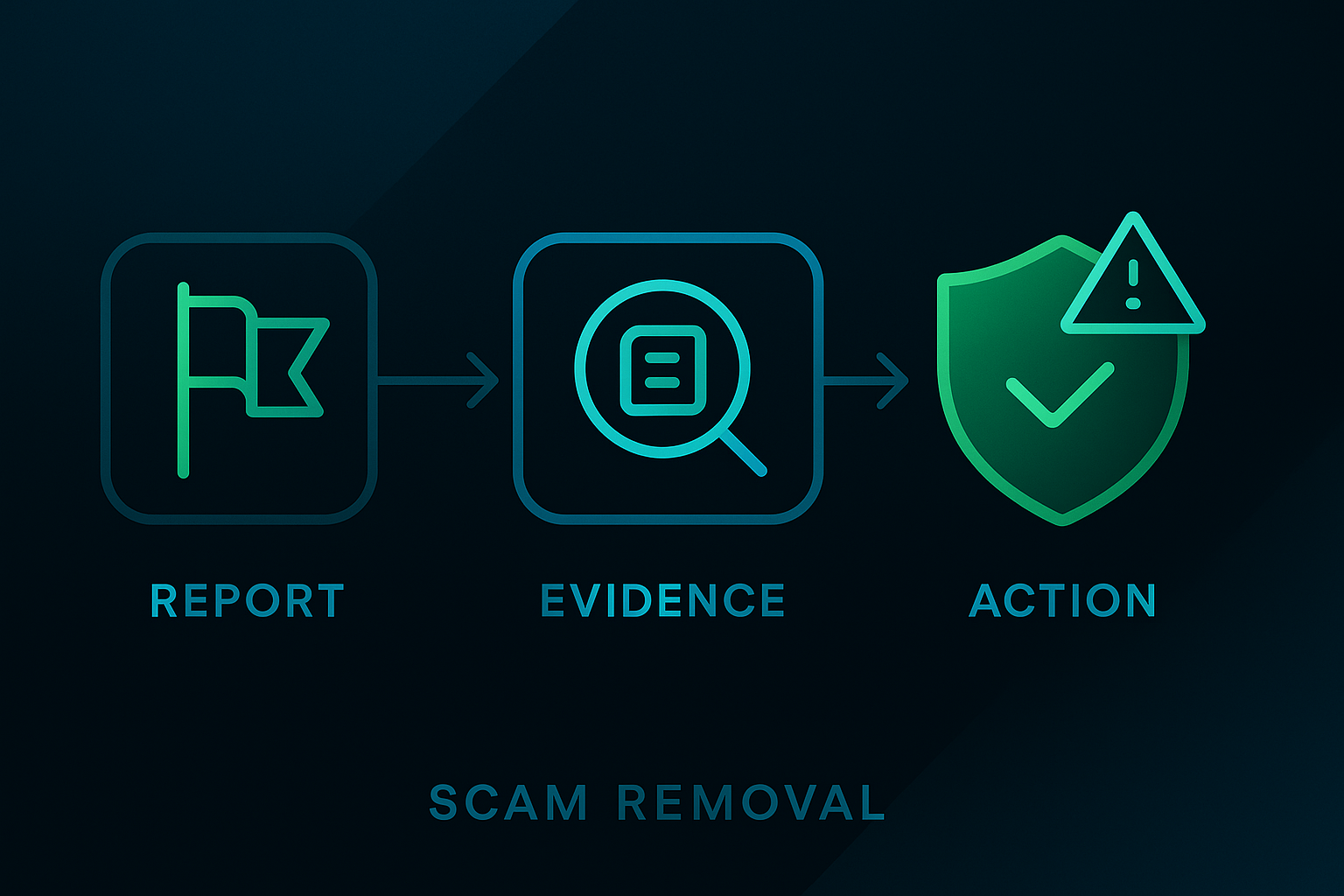
One well-built report beats ten thousand automated ones. What moves Instagram is evidence matched to the right rule and filed through the official route, and the harm is real money: the FTC reported that people lost $2.1 billion to social-media scams in 2025, roughly eight times the 2020 figure (FTC, April 2026). Meta does act on the worst of it — in 2025 it removed about 10.9 million Facebook and Instagram accounts tied to criminal scam centres (The Record), the kind of figure documented in its Adversarial Threat Report — but it does so through detection, not a fan's report counter. Here is the sequence that reaches a reviewer:
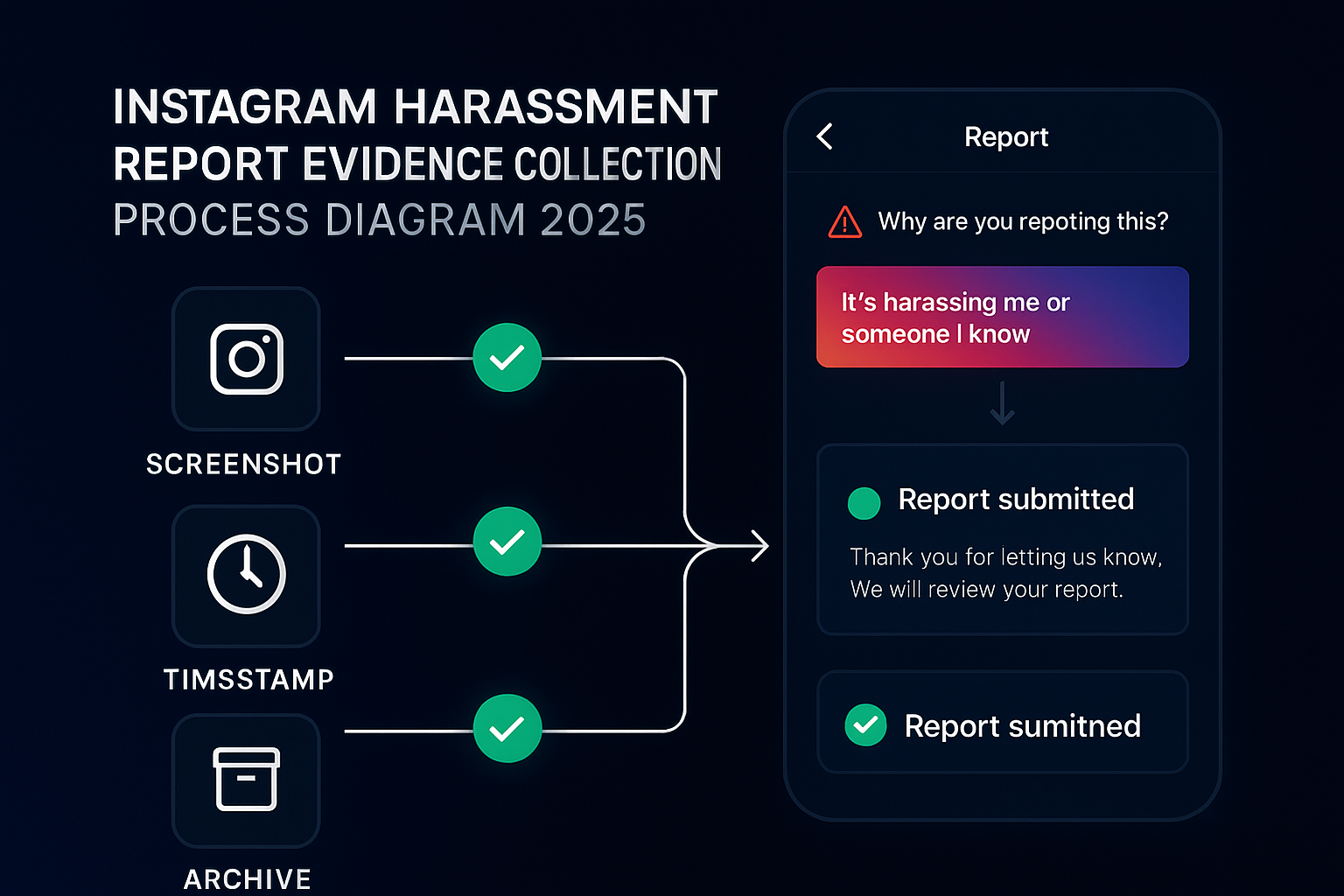
- Capture proof before you act — screenshot the scam post, the cloned bio, the threatening DMs with dates visible, since offenders delete evidence the moment they sense a report.
- Pick the exact category that fits: fraud, impersonation, bullying, hate speech, or counterfeit sales, not whichever label is fastest to tap.
- Use the dedicated impersonation form when a profile pretends to be you; only the real person or an authorised representative can submit it, and you attach ID when prompted.
- When both a post and the whole account break a rule, report each one — a documented pattern persuades a reviewer far more than a single flag.
- Submit once, then watch your notifications; Instagram confirms the result, and your report stays anonymous to the other side.
It also helps to know which categories Instagram actually actions, because "what types of accounts can be reported" decides whether any report will land. The breaches reviewers remove for are:
- Impersonation — a profile pretending to be you, your brand, or a public figure.
- Scam and fraud — investment, romance, crypto and "money flip" cons.
- Hate speech — attacks on protected characteristics.
- Bullying and harassment — targeted abuse, threats, and coordinated pile-ons.
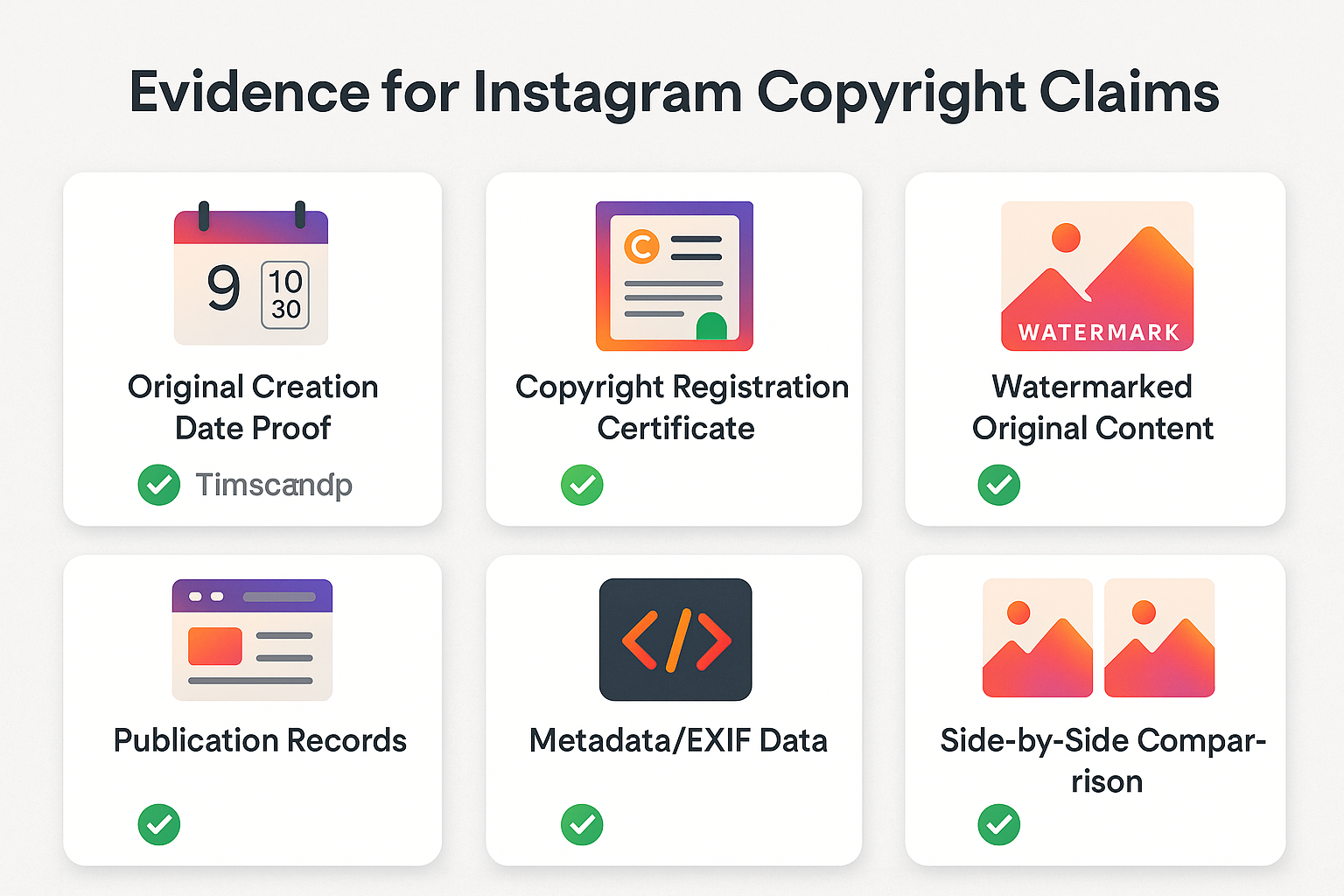
- Counterfeit and IP infringement — fake goods or stolen content, escalated through the DMCA copyright and trademark routes.
- Sextortion and CSAM — handled as a priority safety category.
If you would rather hand the legwork off, our Instagram ban service documents the breach and files it correctly, and a formal account takedown through copyright, trademark or impersonation routes covers cases a basic report cannot. Tell us about the profile on the contact page or browse the full list of reporting solutions we handle. We act on genuine Community Guidelines or legal violations only, through Instagram's official tools, never against a legitimate account.
Sources
- Instagram Help Center — reported content and why report volume isn't the deciding factor
- Instagram — Terms of Use (no unauthorized or automated access)
- Instagram — Third-Party Apps (don't share your login)
- Instagram — why your account may be at risk
- AlgorithmWatch — investigation into Facebook and Instagram mass-reporting
- FTC (April 2026) — reported losses to social-media scams
- Statista — Facebook fake-account removals per quarter (Q4 2025)
- PPC Land — Meta removed 134M scam ads in 2025
- The Record — Meta removed 10.9M accounts tied to scam centres in 2025
FAQ
Do Instagram mass report bots work in 2026?
Rarely. Instagram reviews content against its Community Guidelines and says report quantity does not decide the outcome, so volume alone removes nothing. Meta also detects coordinated and automated reporting and discounts it, which is exactly what every bot generates. A real violation gets a single report acted on; a bot against a clean profile does not.
Is an Instagram mass report Telegram bot different from a website panel?
Only in packaging. A Telegram bot, a hosted website panel and a downloaded script all push the same automated reports into the same review queue, where Meta's systems filter automated patterns. None has any private access to a human reviewer. The Telegram version is just the easiest to spin up and the easiest to abandon when it stops working.
Is there a working Instagram mass report GitHub script?
Public repos named things like Instagram-Report-Bot exist and collect stars, but a working script is a different claim. Most break within weeks of an app update, many require your login to run, and none reaches Meta's reviewers. Stars measure curiosity, not a single verified ban of a rule-abiding account.
Are Instagram mass report bots safe to run?
Often not. The free Telegram bots and GitHub scripts usually need your username, password or a 2FA code, and Instagram warns that handing credentials to third-party apps puts your account at risk of compromise. The tool can then post, message your followers or lock you out. A bot that asks for your login is best treated as the scam.
Can a mass report bot get my own Instagram account banned?
Yes. Instagram's Terms of Use prohibit automated and unauthorized access, and Meta treats coordinated false reporting as inauthentic behaviour. A bot tied to your profile can flag you as the abuser, bringing a strike, a feature limit or a disabled account. Organised harassment campaigns can also carry legal exposure.
What removes a rule-breaking Instagram account instead of a bot?
One documented report through the correct official channel. Screenshot the violation with dates, pick the exact report reason, and use the impersonation form when a profile is pretending to be you. Evidence matched to a real Community Guidelines breach reaches a reviewer; automated volume does not.
How many reports does it take to get an Instagram account banned?
There is no numeric threshold. Instagram acts on a single documented violation, not a report count, so a clean account survives unlimited complaints. Meta also discounts coordinated volume, treating a flood of identical reports as a sign of abuse. The quality of one evidenced report matters; the quantity of many does not.
Is using an Instagram mass report bot legal?
It is risky on several fronts. Automated and unauthorized access breaches Instagram's Terms of Use, and filing knowingly false reports as a coordinated campaign can expose you to harassment or defamation claims. In the EU, the Digital Services Act gives a wrongly-actioned target a statement of reasons and recourse, so false reporting can rebound on the reporter rather than the victim.